Helping Children, Adults & Families Grow, Communicate & Thrive.
A guide for parents on developmental milestones, red flags, and when paediatric therapy can help
Every parent has, at some point, compared their child to another child of the same age and wondered: is this normal? Is my toddler talking as much as they should be? Should my four-year-old still be having meltdowns this big? Why does my child avoid eye contact, or seem clumsier than their classmates?
The honest answer is that every child develops at their own pace, and there is real variation within what is considered typical. But “every child is different” shouldn’t become a reason to dismiss a nagging concern for months or years. Knowing the difference between normal variation and a sign that warrants a professional look is one of the most valuable things a parent can learn — and it’s rarely taught anywhere.
This guide breaks down what typical development looks like, the red flags that deserve attention, and how paediatric therapy — occupational therapy, speech-language therapy, physiotherapy, special education, and behaviour therapy — can support your child at the right time.
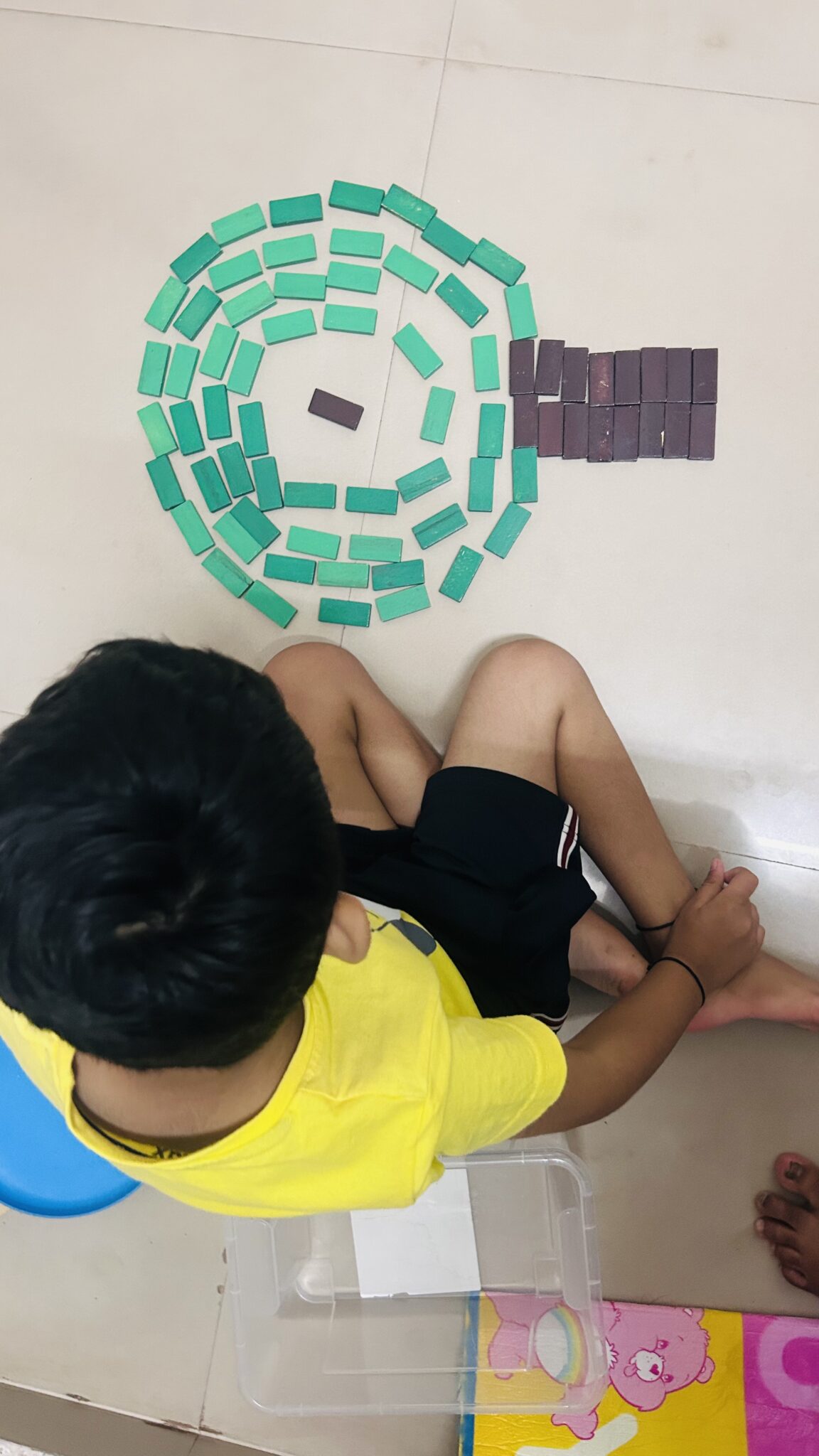
Child development is usually described across a few key domains:
Milestone charts (like those from the WHO or paediatric associations) give useful benchmarks, but they describe a range, not a fixed deadline. A child who walks at 11 months and one who walks at 15 months can both be entirely typical. This is exactly why parents shouldn’t self-diagnose off a chart — and also shouldn’t dismiss a real pattern of delay just because “every child is different.”
A single missed milestone rarely means much on its own. What matters more is a pattern: delays across multiple areas, a skill that regresses after being learned, or a gap that isn’t narrowing over time. Some signs worth paying attention to include:
None of these, alone, is a diagnosis. But a cluster of these signs, or a concern that persists over weeks and months rather than days, is a reasonable reason to get a professional opinion.
One distinguishing feature of OT is that it doesn’t treat the child in isolation from their environment. It considers the activity itself, the child’s specific skills and challenges, and the setting the activity happens in — and works to bring all three into better alignment — managing the occupation the child needs to do, the skills the child does or doesn’t yet have, and the environment surrounding the activity [7]. When these three elements aren’t working together, a child may struggle with everyday tasks that seem simple to their peers — and the therapist’s role is to work with the child and family to close that gap so the child can participate and reach their goals [7].
This is also why OT rarely works in a vacuum. Effective paediatric OT typically involves close collaboration with parents, teachers, and other therapy disciplines (speech-language therapy, physiotherapy, special education) so that gains made in a session translate into real changes at home and school — not just in the clinic.
A good paediatric assessment isn’t a single test that “labels” a child. It typically involves:
An assessment can conclude in a few different ways: reassurance that development is on track, a recommendation to monitor and reassess after a few months, or a recommendation to begin therapy in one or more areas. All three are legitimate outcomes, and a responsible clinician will never push therapy where it isn’t warranted.
Many children benefit from more than one discipline working together, which is why multidisciplinary evaluation — rather than a single specialist’s isolated view — tends to give a fuller picture.
If you’ve been quietly worrying about your child for a while, seeking an assessment is not an overreaction, and it doesn’t mean something is “wrong” with your child. It means you’re paying attention. Many parents come in expecting the worst and leave with either reassurance or a clear, manageable plan — either way, clarity is almost always better than uncertainty.
Every child does develop at their own pace, and that’s true. But “their own pace” should still fall within a range, and a pattern of delay, regression, or persistent concern from you or your child’s teachers is worth having assessed by a qualified paediatric therapist. Early support, when it’s needed, tends to be shorter, gentler, and more effective than support that begins later.
If you have a concern about your child’s speech, motor skills, sensory responses, behaviour, or overall development, it’s worth having it looked at rather than carried alone.
This article is for general awareness and isn’t a substitute for individual clinical assessment. If you have concerns about your child’s development, consult a qualified paediatric therapist or your paediatrician.
Providing an integrated framework of speech, sensory, occupational, and psychological clinical care to empower families and foster long-term developmental growth
Copyright © 2026 BE4 Therapy Clinic. All Rights Reserved. Developed by Web Creators India