Understanding How Movement and Physical Skills Support Everyday Participation in Children
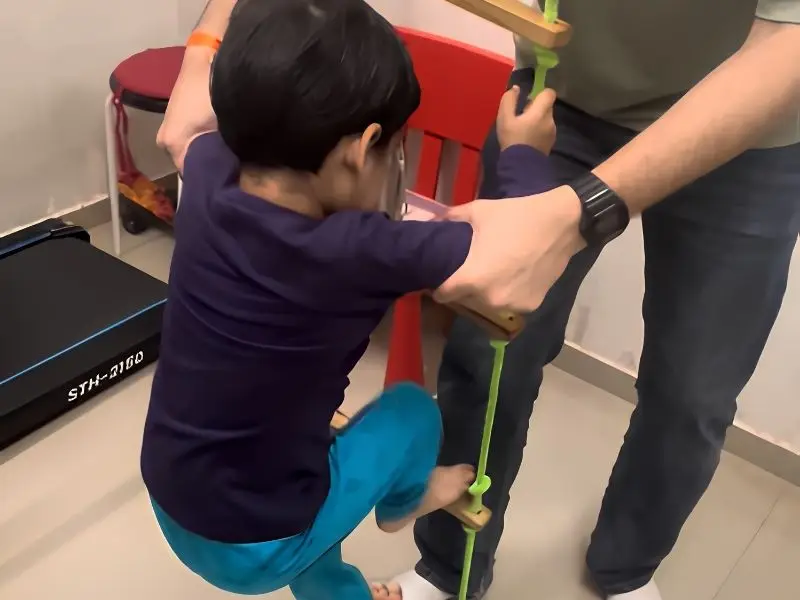
A Parent’s Guide to Gross Motor Skills, Fine Motor Skills, and Why “Just Playing” Matters More Than You Think Movement and physical skills — gross motor skills (running, jumping, balancing) and fine motor skills (handwriting, buttoning, using cutlery) — are the foundation for a child’s everyday participation at home, school, and play. Research links strong […]
Child Communication Development: A Parent’s Guide to Speech and Language Milestones (and How to Support Them at Home)
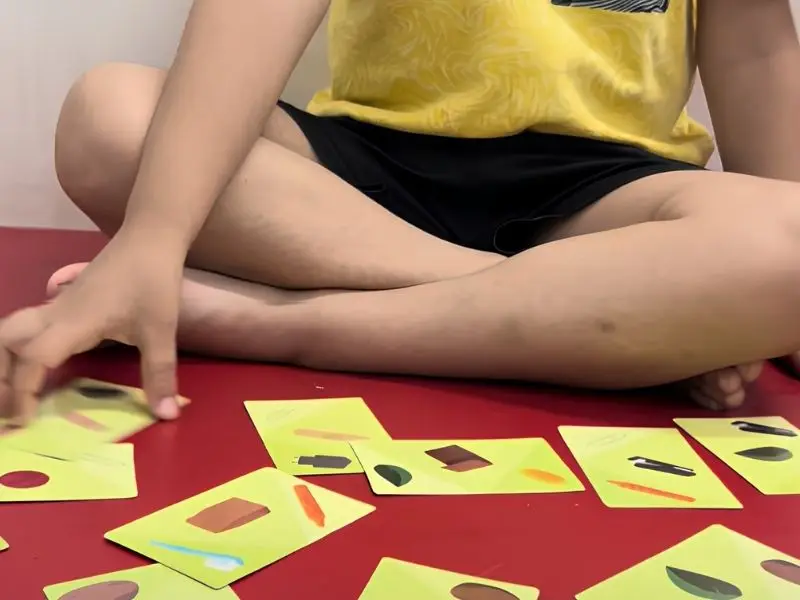
Quick answer: Communication development includes receptive language (understanding), expressive language (speaking), speech sound production, and pragmatics (social use of language). These skills typically emerge in a predictable sequence from birth to age 5, and parents can meaningfully accelerate a child’s progress using evidence-based strategies such as following the child’s lead, expanding their language, and reading […]
Understanding Your Child’s Development: When Should You Seek Support?
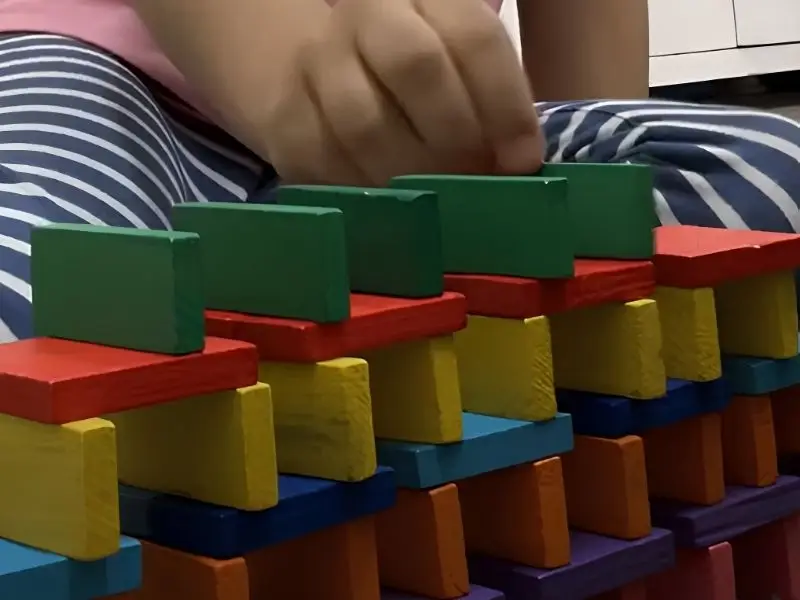
A guide for parents on developmental milestones, red flags, and when paediatric therapy can help Every parent has, at some point, compared their child to another child of the same age and wondered: is this normal? Is my toddler talking as much as they should be? Should my four-year-old still be having meltdowns this big? […]
Why “One Size Fits All” Doesn’t Work: How Personalised Learning Support Helps Children Participate and Build Confidence
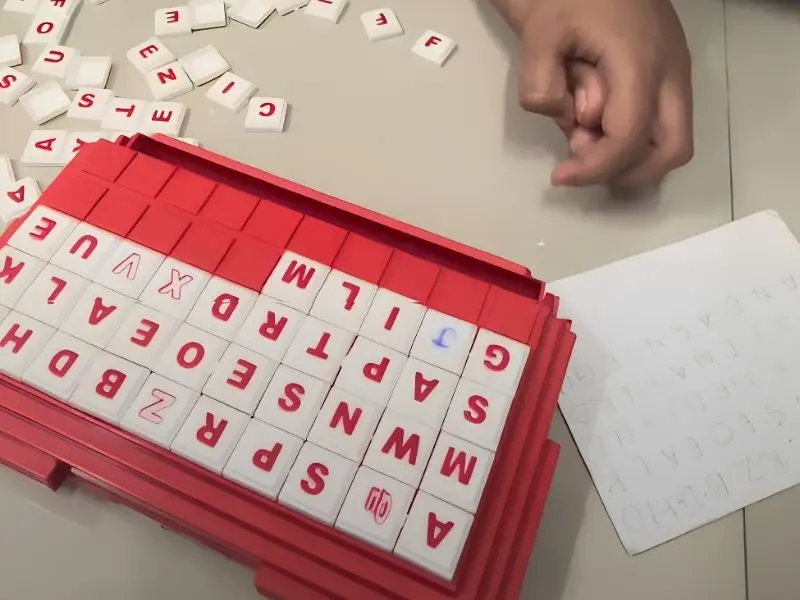
If you’ve ever watched a child shut down the moment a worksheet feels “too hard,” or light up the instant an activity is pitched just right for them, you’ve already seen the core idea behind personalised learning support in action. It isn’t a buzzword — it’s the difference between a child who complies with instruction […]
How Occupational Therapy Supports Children in Developing Skills for Everyday Activities and Participation
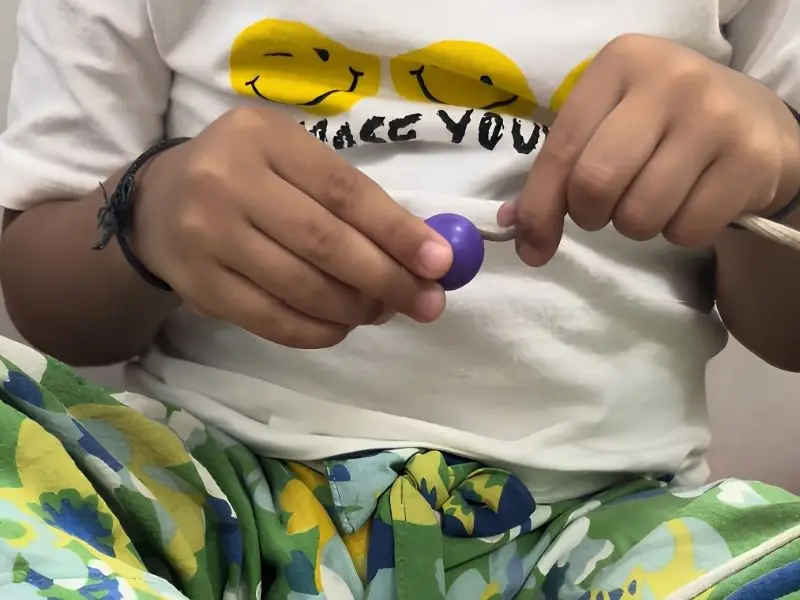
What paediatric OT actually does, and why “participation” is the outcome that matters most When people hear “occupational therapy,” many assume it’s about helping adults return to a job. For children, “occupation” means something broader: the everyday activities that make up their world — playing, eating, dressing, writing, making friends, and simply keeping up at […]
Why Emotional Support and Open Communication Matter More Than “Getting It Right”
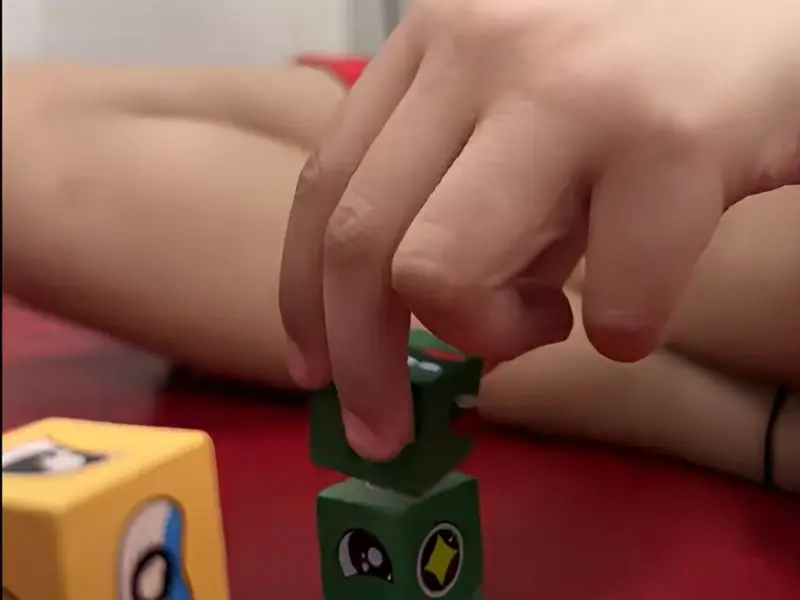
Every parent has had the moment: a child melts down over something that seems small, and in the middle of it you’re not sure whether to soothe, discipline, or just survive the next five minutes. The research on child development has a fairly clear message here — how parents respond to a child’s emotions, day […]